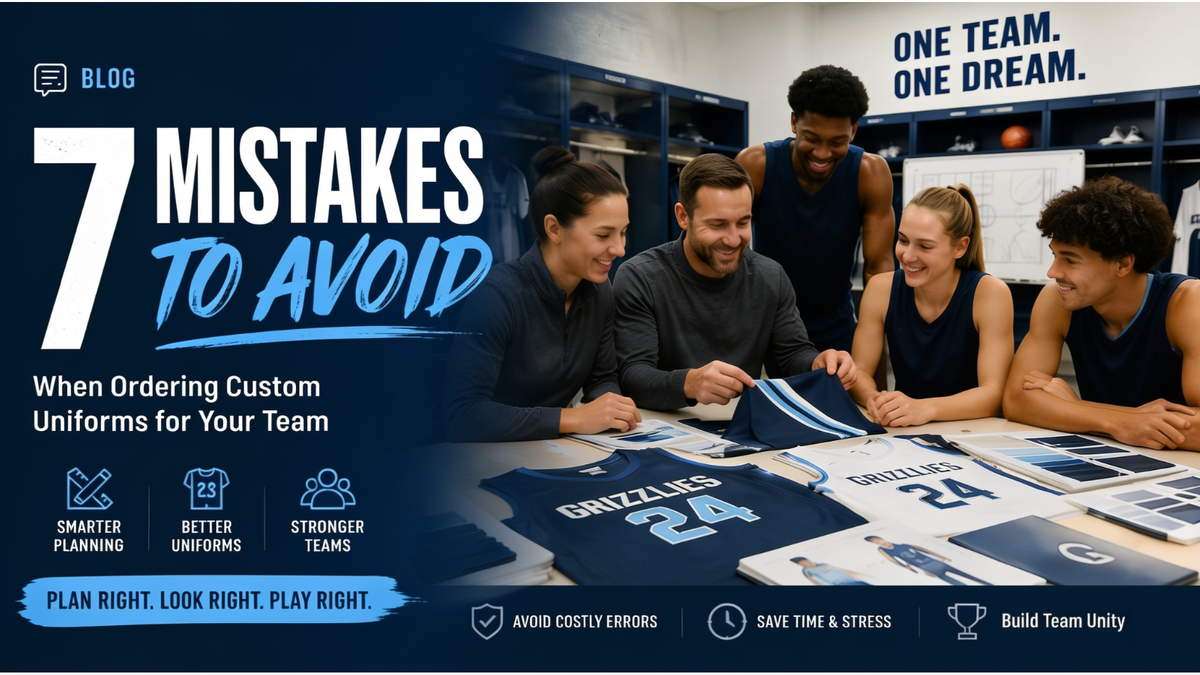
July 2026 Blog Header Banner.png

7 Team Apparel Mistakes That Can Derail Your Seasonand How to Avoid Them

Ordering team apparel should be an exciting part of preparing for a season.

It's the point where a program's identity becomes visible, athletes start imagining game day, and teams begin turning plans into reality. But every year, teams encounter many of the same avoidable problems—missed deadlines, incorrect sizes, rushed approvals, communication breakdowns, and last-minute stress.

The good news is that most of these issues can be traced back to a handful of common mistakes.

In this article, we'll walk through seven team apparel mistakes that can derail a season and, more importantly, how successful programs avoid them.

magnific_a-group-of-sporting-team-_YV9O5oBWeC.png

Mistake #1: Waiting Too Long to Start the Process

One of the most common apparel mistakes happens before any designs are created: teams simply wait too long to begin.

It's understandable. Coaches are busy. Administrators have competing priorities. Rosters may still be changing. But when apparel planning gets pushed too close to the season, every decision becomes more difficult.

What's at Risk?

Waiting too long can create a domino effect throughout the apparel process.

Teams often experience:

  • Rushed design approvals
  • Limited opportunities for revisions
  • Compressed production timelines
  • Incomplete sizing information
  • Increased stress for coaches and team contacts

As we discussed in our April article on why the off-season is the best time to plan your team's uniforms, early planning creates flexibility and gives programs more control over the entire process.

How to Avoid It

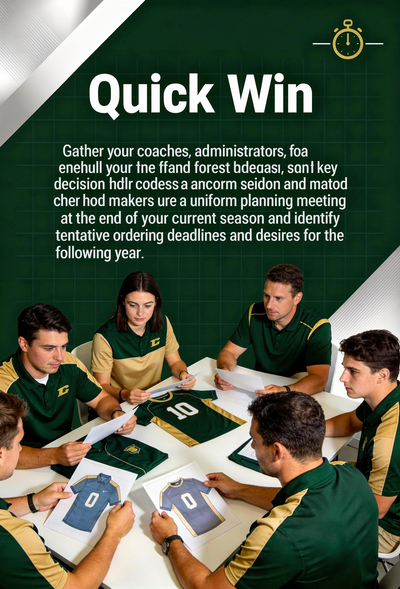
Start apparel planning several months before your season begins whenever possible. There isn’t any harm in having your design concepts locked in weeks before tryouts start – in fact it can be used as a marketing advantage when you are posting schedules.

Establish key milestones for:

  • Design approvals
  • Roster finalization
  • Sizing collection
  • Order submission
  • Delivery expectations

Even if every detail isn't finalized, beginning the conversation early creates flexibility and helps prevent last-minute pressure.

magnific_create-a-graphic-to-accom_BmYsVg9oQR.png

Mistake #2: Designing Based on Trends Instead of Identity

Mimicry is the sincerest form of flattery, and it can be tempting to choose a uniform simply because another team wore something that stood out this season.

But what works for one program doesn't automatically work for another. The strongest uniform designs are usually rooted in identity rather than trends.

Before choosing a design direction, teams should consider their culture, traditions, branding, athlete preferences, and long-term vision.

What's at Risk?

Trend-driven decisions often age quickly. What is popular this season, can quickly fall out of style, especially with youth sports.

This can lead to:

  • Inconsistent branding from season to season
  • Designs that don't reflect the program's culture
  • Additional redesign costs later
  • Less recognition and visual consistency

As we covered in our June article on choosing a uniform style that fits your program, successful designs align with who the team is—not simply what's popular today.

How to Avoid It

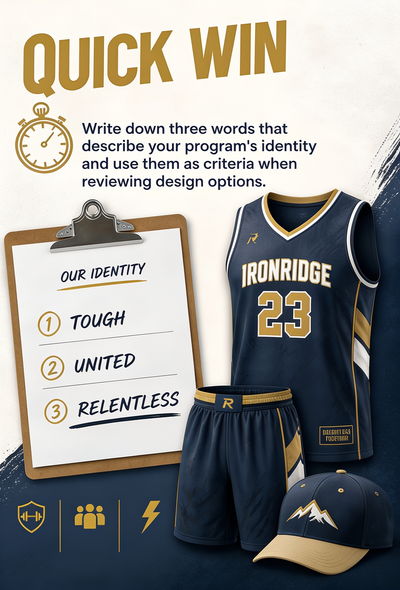
Start by defining what makes your program unique.

Ask questions such as:

  • What traditions matter most?
  • How do we want to be perceived?
  • What visual elements of your brand should remain consistent year after year?
  • What would our athletes be proud to wear five years from now?

Use those answers as your design filter before evaluating concepts.

magnific_create-an-image-of-a-chec_tfTWRlImZJ.png

Mistake #3: Focusing Only on the Uniform

Many teams spend significant time planning jerseys and shorts but overlook the rest of the apparel ecosystem.

That can create inconsistency throughout the program and missed opportunities to strengthen team culture for athletes and fans alike.

What's at Risk?

When apparel planning focuses only on game uniforms, teams often end up with:

  • Mismatched apparel across the program due to parents and supporters sourcing their own gear
  • Additional orders later in the season
  • Missed fundraising opportunities
  • Limited options for coaches and staff
  • Reduced fan engagement

As we explored in our May article on how fan apparel builds stronger teams and communities, apparel can support much more than competition.

How to Avoid It

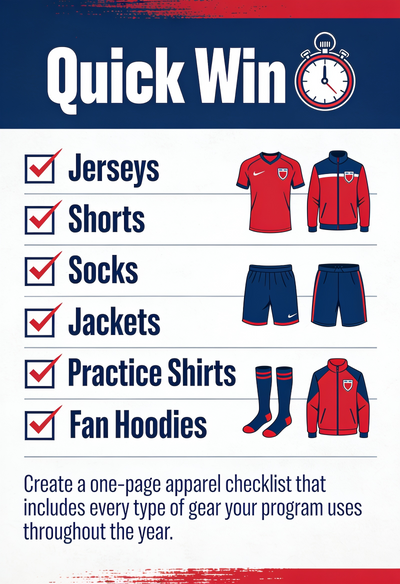
Think about your apparel needs as a complete system rather than individual products.

Consider:

  • Uniforms
  • Practice gear
  • Warm-ups
  • Coach apparel
  • Travel gear
  • Fanwear and spirit wear

Planning holistically often saves time and creates a more professional appearance throughout the organization.

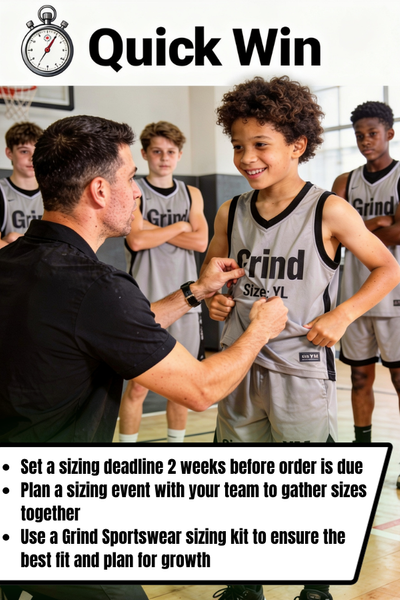
Set a firm sizing deadline 2 weeks before order is due Plan a sizing event with your team to gather sizes together Use a Grind Sportswear sizing kit to ensure the best fit and plan for growth.png

Mistake #4: Collecting Sizes Too Quickly

Sizing may not be the most exciting part of the apparel process, but it is one of the most important.

Many ordering issues stem from rushed size collection at the last minute, assumptions about athlete growth, lack of review or use on available tools, or incomplete submissions.

What's at Risk?

Poor sizing practices can result in:

  • Incorrect apparel sizes
  • Athlete dissatisfaction
  • Costly replacements
  • Delayed distribution
  • Additional administrative work

Even small sizing errors can create major frustrations once apparel arrives.

How to Avoid It

Build dedicated time into your ordering timeline for sizing collection.

Whenever possible:

  • Use sizing kits
  • When a sizing kit is an option, be sure to use updated sizing charts
  • Verify measurements
  • Double-check roster submissions

The extra effort upfront usually leads to far fewer issues later.

magnific_create-an-image-of-a-base_rlEd3ZBxtc.png

Mistake #5: Prioritizing Appearance Over Performance

A uniform can look incredible in a mockup and still underperform on game day.

Athletes need apparel that supports movement, comfort, durability, and environmental conditions.

What's at Risk?

When performance is overlooked, athletes may experience:

  • Reduced comfort
  • Restricted movement
  • Faster wear and tear
  • Lower overall satisfaction

As we discussed in our March article on performance fabrics and game-day comfort, apparel should support athletes physically—not just visually.

How to Avoid It

Evaluate apparel based on both aesthetics and functionality.

Ask questions about:

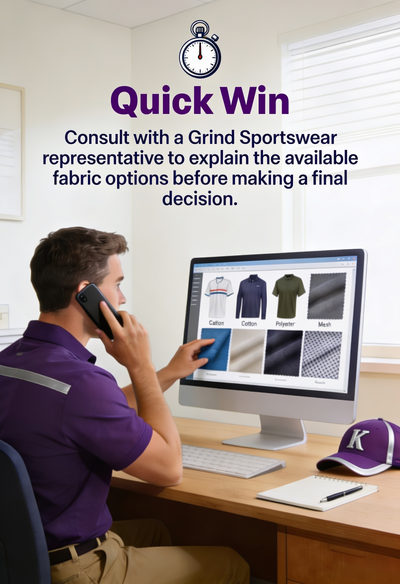
  • Fabric performance and options
  • Moisture management
  • Durability
  • Stretch and mobility

The best uniforms combine strong design with strong performance.

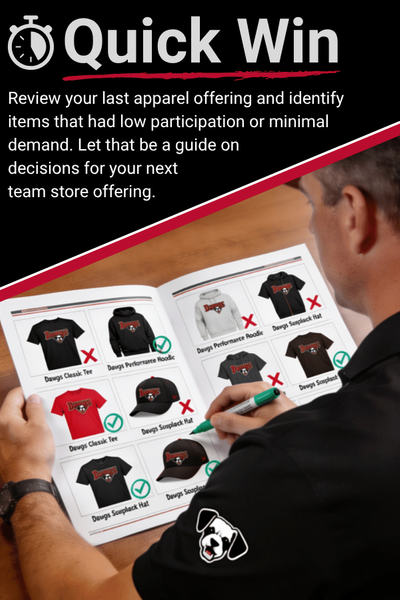
last apparel offering.png

Mistake #6: Offering Too Many Options

More choices are not always better. Just think about an experience at a restaurant with a massive menu, full of every type of food and option imaginable. It is easy to get lost in all the options and not be able to choose one item or settle on something because you get tired of sifting through but might be disappointed because it isn’t what you truly were hoping for.

We get it, the design process is exciting, and it can be a real energy boost to see concepts come to life. However, programs often build uniform and apparel offerings that become overwhelming for families and supporters.

What's at Risk?

Too many options can create:

  • Decision fatigue
  • Ordering confusion
  • Lower participation rates
  • Inventory complications
  • Communication challenges
  • Less unified feel on gamedays

A larger catalog does not automatically produce better results. In fact, it usually has the opposite effect.

How to Avoid It

Focus on quality and relevance rather than quantity. Selecting team gear and spirit wear that stays true to your brand and design concepts ensures that players, families, and fans show and stand out on gamedays and in the community.

Prioritize apparel items that:

  • Athletes will wear frequently
  • Coaches actually need
  • Families are likely to purchase
  • Supporters can use year-round
  • Align to your brand identity

A curated selection often performs better than an endless list of options.

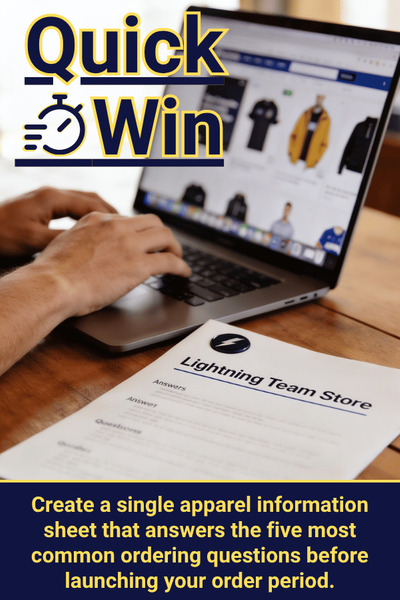
FAQ team store.png

Mistake #7: Poor Communication Throughout the Process

Even well-planned apparel programs can struggle when communication is unclear.

Families and athletes generally want answers to simple questions:

  • What should I order?
  • When is the deadline?
  • What's required?
  • When will it arrive?
  • Who should I contact?

When those answers aren't communicated clearly, confusion follows.

What's at Risk?

Poor communication often results in:

  • Missed deadlines
  • Incomplete orders
  • Increased chance of errors due to rushed entries
  • Frustrated families
  • Greater administrative burden

Many apparel issues are communication problems rather than apparel problems.

How to Avoid It

Communicate early and often. A well designed catalog and ordering site can only do so much without human support. Coaches are the engine that drives participation and execution. It is important to check in with teams, review order submissions, and follow up frequently to drive full participation.

Provide clear information regarding:

  • Ordering windows
  • Required items
  • Optional purchases
  • Delivery timelines
  • Contact information

Consistent communication helps keep everyone aligned throughout the process.

Final Thoughts

Most team apparel problems don't come from major mistakes. They come from small oversights that compound over time. Fortunately, those issues are largely preventable.

When teams start earlier, communicate clearly, plan thoroughly, and focus on both performance and identity, the apparel process becomes easier for everyone involved.

The result is not only better uniforms. It's a better experience for athletes, coaches, families, and the entire program.

Preparing for your next season's apparel order?

A little planning now can help your team avoid common mistakes, stay organized, and create a better experience from design approval through delivery.

Start the conversation with Grind Sportswear now and put your program in position for a smoother season.

Contact Us