june blog header.png

From Traditional to Bold: Choosing a Uniform Style That Fits Your Program

When teams start the process of designing new uniforms, one of the first questions is usually about colors, logos, or layout details. But before any of that, there’s a more important decision to make:

What kind of style actually fits your program?

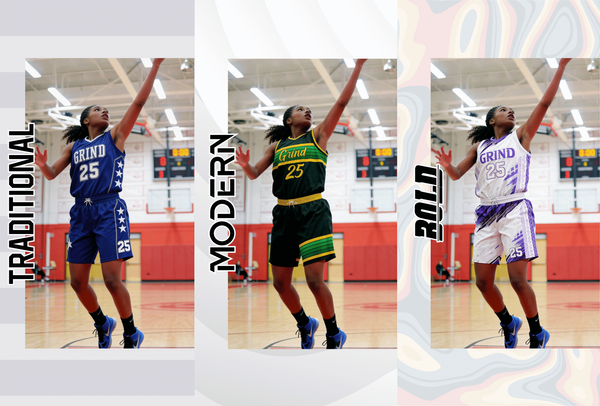
Not every team should look the same. And not every design approach works for every program. Some teams benefit from a clean, traditional look. Others lean into modern, streamlined styles. And some programs choose bold, high-impact designs that stand out immediately.

The great news is that there is not one approach that is better than the others. The key is choosing a direction that aligns with your program’s identity, culture, level of play, and league requirements—both on and off the field.

Because a strong uniform is not just about looking good. It’s about looking right for your team.
The Approach to Uniform Design is Unique to Each Organization

Uniform design is often influenced by trends, competitor programs, or what looks good in a catalog.

But while mimicry might be the sincerest form of flattery, the most effective designs are not just copied—they are chosen intentionally.

Before selecting a style, programs should consider:

  • The level of competition
  • The age group of athletes
  • School or club tradition
  • Coaching philosophy
  • How the program wants to present itself
  • How visible or recognizable they want to be

For example, a long-established high school program may prioritize consistency and tradition, while a newer club team may want a more modern or attention-grabbing look.

As we covered in our January article on why team identity matters in modern sports, the strongest programs make design decisions that reinforce who they are—not just what is popular.

RELATED READ: Read more about key principles of design visuals.

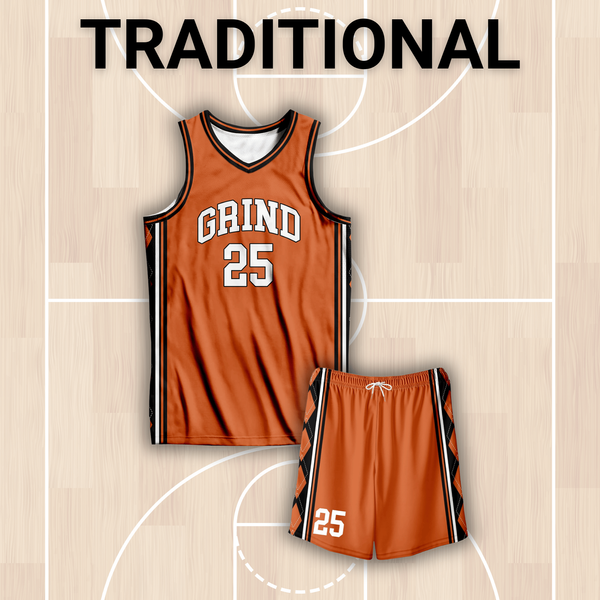
traditional.png

The Traditional Look: Clean, Timeless, and Consistent

A classic uniform style focuses on simplicity, readability, and long-term consistency.

These designs often feature:

  • Traditional color blocking
  • Minimal patterning
  • Strong, readable typography
  • Balanced layouts
  • Limited use of gradients or effects

Classic uniforms are commonly used by:

  • School athletic programs
  • Legacy teams with established branding
  • Organizations that prioritize tradition and recognition
  • Programs that want a professional, timeless look year after year

The biggest advantage of a classic approach is longevity. These uniforms tend to age well and remain relevant over multiple seasons, not affected by changing trends and fads. This can be especially helpful for programs that want consistency across teams or years. They can also be more accepted players in large organizations that have teams across a wide range of ages.

They also tend to be easier to match with existing branding, fanwear, and sideline apparel.

That said, classic does not mean boring. When executed well, simple designs often look the most polished and professional.

RELATED READ: Why fans care about the tradition of uniforms.

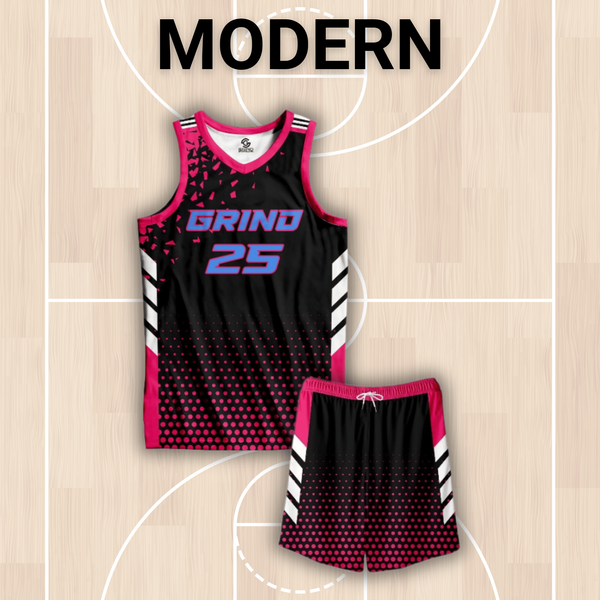
modern.png

The Modern Style: Streamlined, Athletic, and Versatile

Modern uniform styles sit between traditional and bold.

They take the foundation of a clean design and introduce more contemporary elements, such as:

  • Subtle gradients or fades
  • Updated typography styles
  • Paneling or structured layout lines
  • Refined geometric pattern accents and symmetry

Modern designs are often a strong fit for:

  • Travel teams and club programs
  • School teams updating their look for emphasis
  • Programs that want to look current without being overly aggressive
  • Organizations balancing brand consistency with a fresh feel

One of the biggest benefits of a modern style is flexibility. It allows teams to evolve their look without completely changing their identity. It also tends to translate well across multiple apparel categories, from uniforms to team wear to fan gear.

As we discussed in our February guide on how to design team uniforms that perform and represent, strong designs often balance visual identity with function—and modern styles tend to do that well.

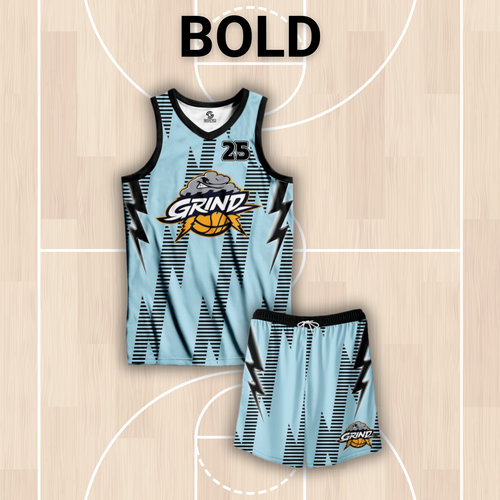
bold.png

The Bold Approach: High-Impact and Attention-Grabbing

Bold uniform designs are built to stand out on the court and in the crowd.

These styles often include:

  • Strong patterns or textures
  • Aggressive striping or layout elements
  • High-contrast color combinations
  • Unique or oversized typography
  • More experimental visual elements

Bold designs are often used by:

  • Competitive travel programs
  • Newer organizations building brand recognition
  • Teams that want to stand out at tournaments or events
  • Programs targeting a younger athlete demographic
  • Teams looking for a uniform for a themed event or league

The biggest advantage of bold design is visibility. These uniforms are memorable and can help a team stand out in crowded tournament environments or competitive leagues.

However, bold designs require careful execution.

Without structure, they can quickly feel overwhelming or inconsistent. The goal is to stand out intentionally—not randomly.

NOTE: It is always important to understand the league regulations for your play as bold designs may not align to established standards—let us know what rules you need to follow and our designers can create bold creations that won’t land your team in hot water.

Choosing the Right Style Comes Down to Program Fit

Rather than asking “What looks best?”, teams should ask:

“What fits our program best?”

A few guiding questions can help narrow that down:

  • Do we value tradition or evolution?
  • Do we want to stand out or stay consistent?
  • What will our athletes feel confident wearing?
  • How will this look across multiple seasons?
  • Will this design work across all apparel—not just jerseys?

For example:

  • A school with a long history may lean toward classic or modern.
  • A newer club may benefit from a bold identity to build name recognition.
  • A program going through a rebrand may choose modern as a transition point.

There is no single correct answer—but there is always a best fit.

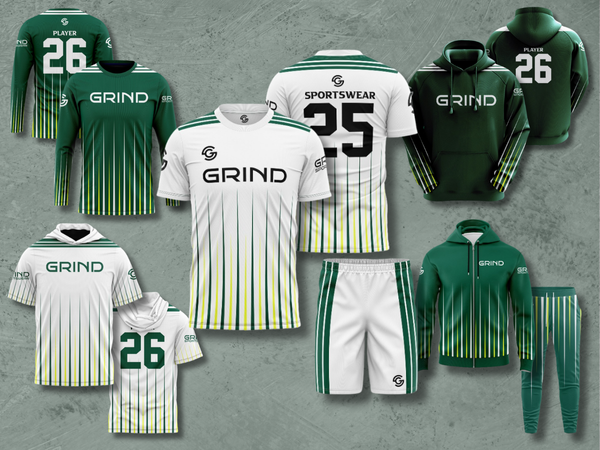
apparel match planning.png

Uniform Style Should Work Across the Entire Program

One of the most common mistakes in uniform design is thinking only about the jersey.

In reality, the chosen style should extend across:

  • shorts or pants
  • warm-ups
  • practice gear
  • coaches’ apparel
  • fanwear and spirit wear

A style that looks great on a jersey but does not translate well to other apparel can create inconsistency across the program.

This is why it is important to think about the full offering early.

As we covered in our May article on how fan apparel builds stronger teams and communities, apparel works best when it creates a cohesive presence across athletes, staff, and supporters—not just players on the field.

The Best Designs Balance Identity, Style, and Practicality

At the end of the day, the strongest uniform designs are not defined by how flashy or simple they are.

They are defined by how well they balance:

  • Identity
  • Style
  • Longevity
  • Usability across the program

A classic design can be powerful when it reflects tradition.

A modern design can be effective when it balances form and function.

A bold design can stand out when it is executed with intention.

The goal is not to follow a trend. It is to create a look that fits your program and supports your athletes. When your athletes feel comfortable and proud of their look, they’ll have more confidence on the field, court, or pitch.

Final Thoughts

Choosing a uniform style is one of the most important decisions in the apparel process. It shapes how a team is seen, how athletes feel, and how the program presents itself over time.

The best approach is not about choosing what is most popular. It is about choosing what aligns with your program’s identity, goals, and culture.

Because when a uniform fits the program, everything else—from design to performance to perception—comes together for success.

Not sure which direction fits your program best?

Start your uniform design process by reviewing our design catalogs to see if something catches your eye. Then reach out to our team to get your design concept customized to fit your brand.

Contact Us