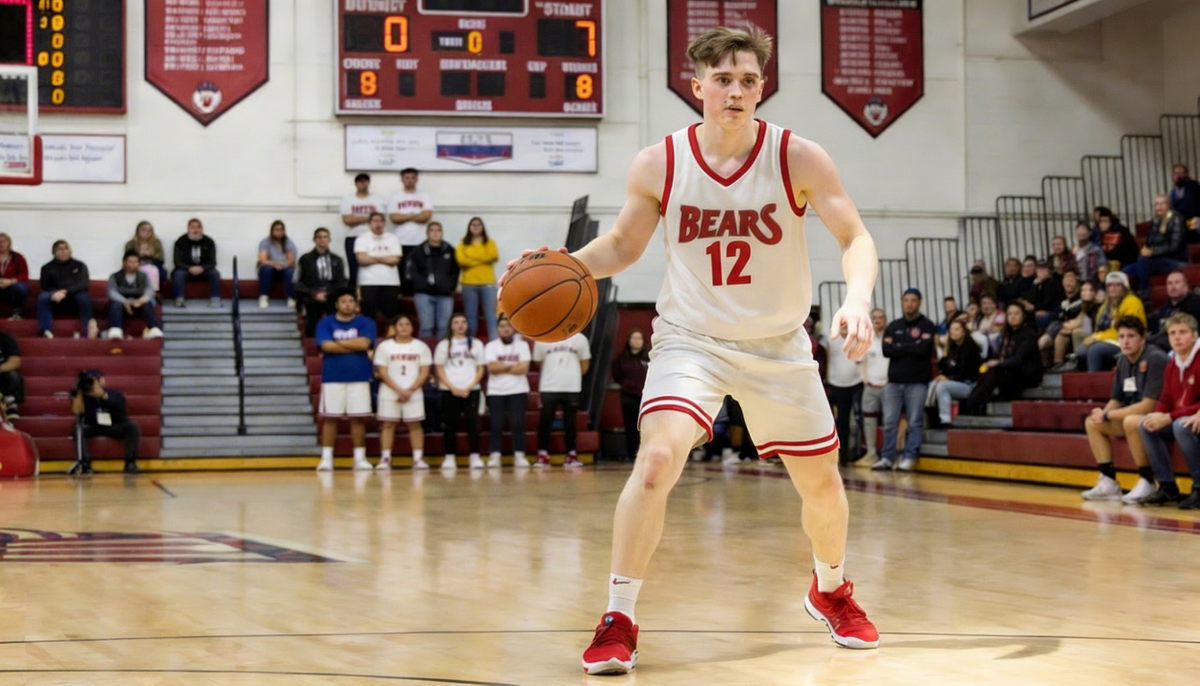
Basketball Player with High Quality Uniform

Performance Fabrics Explained: How the Right Apparel Impacts Athletes on Game Day

When athletes step onto the field, court, or pitch, preparation shows up in many forms—conditioning, strategy, discipline, and mindset. But one factor that often gets overlooked is what they’re wearing.

Modern performance fabrics in sports uniforms and apparel are engineered to enhance mobility, regulate temperature, manage moisture, and support athletes through every practice and game. As we discussed in our article on why team identity matters in modern sports, what athletes wear affects how they feel. But beyond identity, fabric performance directly impacts comfort and focus.

For coaches and program leaders, understanding performance materials isn’t about becoming textile engineers, let’s be honest, you’ve got enough plate getting your athletes game ready—it’s about making informed decisions that help athletes perform at their best.
Get a Quote

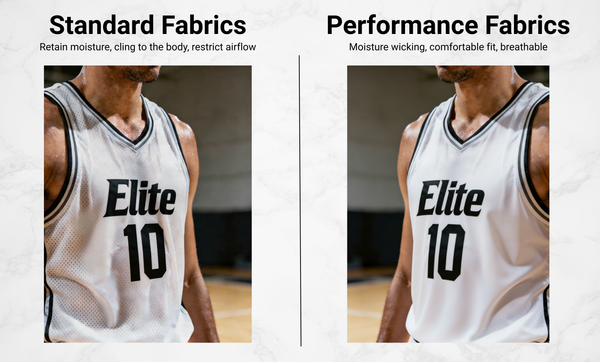
standard v perf fabrics.png

Why Fabric Matters More Than You Think

At first glance, one jersey might look similar to another. But the difference between basic cotton blends and true performance fabrics for athletic uniforms becomes obvious when intensity increases.

The wrong fabric can:

  • Trap sweat and become heavy
  • Restrict movement
  • Overheat athletes
  • Lose shape over time
  • Cause distraction during competition

The right fabric helps athletes stay focused on performance—not discomfort.

RELATED READ: WebMD’s overview of performance clothing technology

Moisture-Wicking: Staying Dry Under Pressure

One of the most important features in moisture-wicking sports fabric is its ability to pull sweat away from the skin.

Unlike cotton, which absorbs and holds moisture, synthetic performance blends move moisture outward so it can evaporate quickly. This keeps athletes lighter and more comfortable during high-intensity moments.

Benefits include:

  • Reduced chafing
  • Less overheating
  • Lighter feel throughout the game
  • Improved comfort during peak exertion

RELATED READ: Sports science research highlights how moisture management directly affects thermoregulation and athletic endurance.

For teams evaluating new uniforms, this is one of the most critical performance considerations. Not all fabrics are the same, talk with your uniform provider about options to get the most from your uniforms.

Breathability: Managing Heat and Airflow

Athletes generate significant body heat during workouts and games. Breathable athletic apparel allows airflow through the garment, helping regulate core temperature.

Look for:

  • Mesh paneling in high-heat zones
  • Lightweight polyester blends
  • Strategic ventilation design

RELATED READ: Heat retention accelerates fatigue. Studies on textile ventilation and airflow in performance garments have shown that improved air permeability supports sustained output during competition.

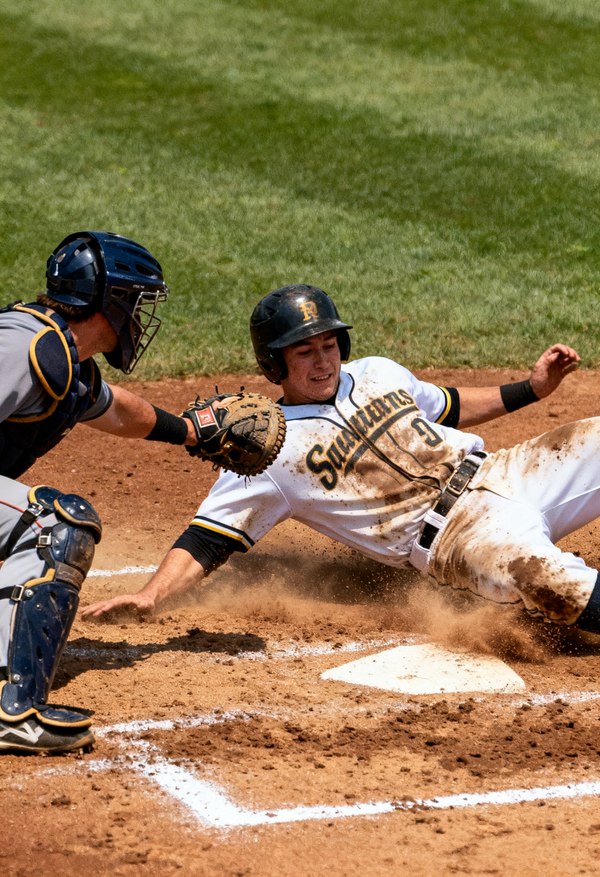
Baseball player sliding into home plate

Durability: Surviving the Season

Uniforms endure practices, games, travel, and repeated washing. Lower-quality fabrics can fade or lose structure over time. Consider how long your teams will need to wear their uniforms – are they young athletes that will quickly outgrow their uniforms within a few months or will your organization need to reuse them for multiple seasons?

High-performance sportswear durability ensures:

  • Color retention
  • Shape stability
  • Long-term number and logo integrity

Keep in mind that techniques like sublimation can ensure that there is less wear and tear on name and numbers over methods such as embroidery or direct-to-film transfers. For programs managing budgets, durability reduces replacement frequency and protects long-term investment.

Related Read: Research demonstrates how advanced synthetic blends outperform traditional materials in wash durability and color retention.

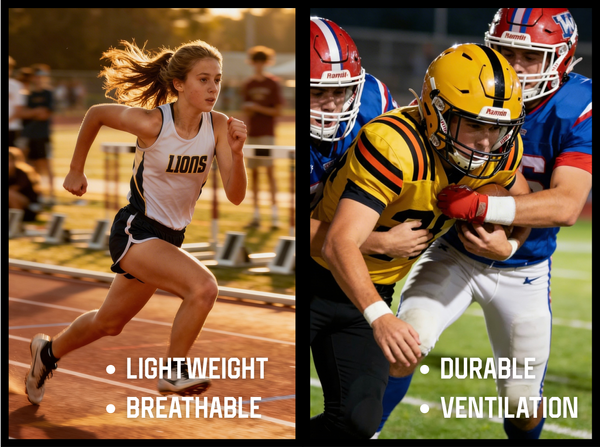
durable v lightweight.png

Weight: Lighter Isn’t Always Better

Lightweight fabric is beneficial—especially in warm climates—but ultra-light materials may sacrifice resilience.

The ideal sports uniform performance material balances:

  • Breathability
  • Stretch
  • Structural support
  • Durability

Contact sports may prioritize fabric toughness to withstand physical wear and tear, while soccer or track may lean toward lighter materials focused on aerodynamics and heat management. Coaches should evaluate sport-specific demands before choosing materials to maximize their uniforms and apparel expectations.

Confidence Is Part of Performance

Apparel influences psychology as much as physiology. Comfortable, quality gear reduces distractions and reinforces seriousness.

As explored in our January piece on building team identity through apparel, what athletes wear shapes perception—both internally and externally. When uniforms feel game-ready, athletes feel game-ready.

What Coaches Should Ask Before Ordering Uniforms

Before investing in new uniforms, consider:

  • Is the fabric moisture-wicking and breathable?
  • Does it allow full sport-specific mobility?
  • Will it maintain structure through an entire season?
  • Does it represent our team’s standards?

Thoughtful evaluation ensures performance isn’t sacrificed for appearance.

Final Thoughts: Performance Is in the Details

At competitive levels, margins are small. Preparation matters. Discipline matters. Details matter.

High-quality performance fabrics in sports apparel remove unnecessary barriers. They allow athletes to compete without distraction, train comfortably, and represent their program with pride.

Preparing for the upcoming season?

Explore performance-driven custom team apparel designed to move, breathe, and compete at every level.