magnific__increase-the-size-of-the-header-font-put-the-every__2293.png

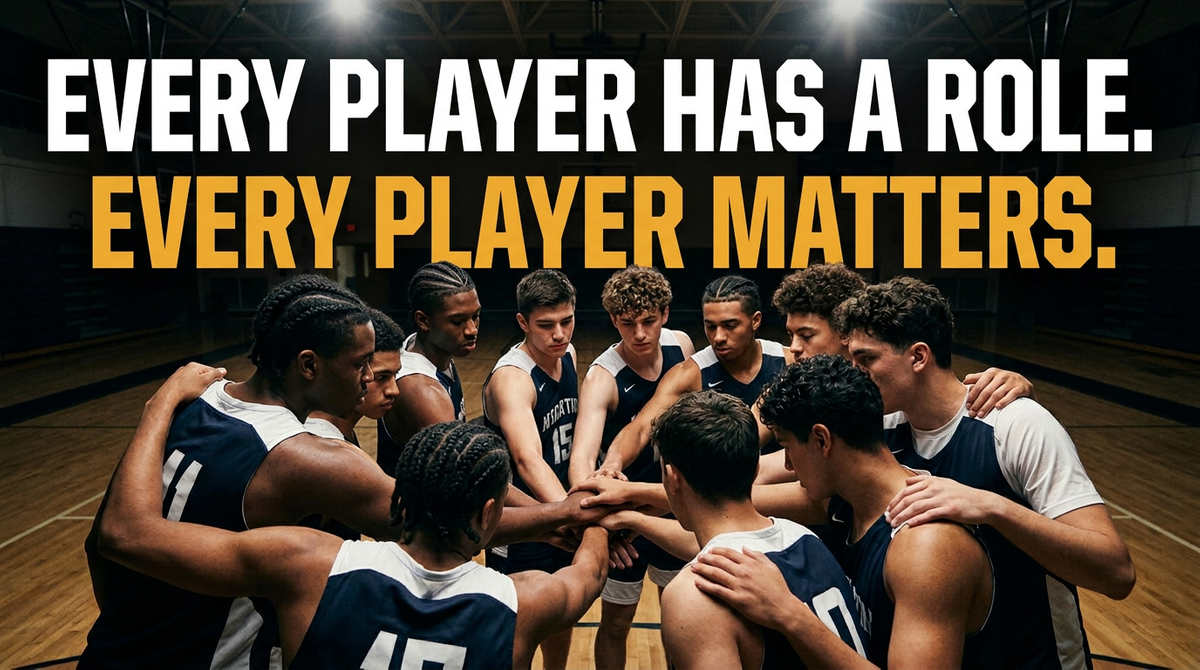
Every Player Has a Role. Every Player Matters.

5 Ways Coaches Can Build Belonging, Confidence, and Purpose

Every team has its stars.

The leading scorer. The starting quarterback. The athlete everyone looks to when the game is on the line. The fan favorite with the big personality.

But what about the players whose reps come on the scout team? The athlete still developing their skills? The teammate who works just as hard at practice but doesn't receive the same recognition? The athletes are the tend to fly just under the radar.

Are they just as important to your program? As coaches, we understand that not every player will have the same abilities, responsibilities, or experience and that often dictates playing time. Especially as players get older and competition becomes fiercer. Competitive sports require difficult decisions, and part of coaching is putting athletes in positions that give the team its best opportunity to succeed.

But there's an important difference between having different roles and feeling like you don't have a role at all. Every athlete should have a reason to believe they matter to the team.

That doesn't mean guaranteeing equal minutes or pretending every contribution is identical. It means creating an environment where athletes feel seen, understand their purpose, have opportunities to improve, and recognize that being part of a team is about more than what happens on the scoreboard or the box score.

Here are five ways coaches can help make that happen.
magnific__change-the-athletes-body-language-to-show-that-she__2295.png

1. Make Every Athlete Feel Seen

Think about the interactions you have with your athletes during a typical practice. Who receives the most instruction? Who gets the most feedback? Who do you naturally gravitate toward when explaining a new concept?

It's easy to spend much of our time with the athletes who have the greatest impact on game day. But the player who doesn't start still wants to know their coach sees them.

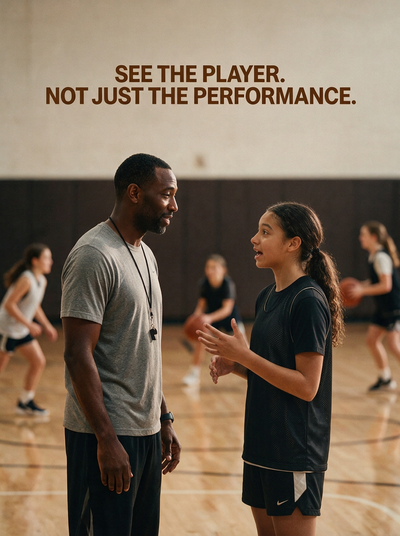
Sometimes that starts with something as simple as greeting an athlete by name, asking how school is going, or acknowledging something they've been working on.

Why It Matters

Athletes want to know they're more than a name on a roster.

When coaches take an interest in every player, they communicate that each athlete's experience matters, regardless of their current ability or role. For some athletes, that personal connection may be one of the most meaningful parts of participating in sports.

What Coaches Can Do

Make an intentional effort to connect with every athlete throughout the week.

Ask about their goals. Learn what motivates them. Notice when they're unusually quiet or frustrated. Give individual feedback that shows you're paying attention to their development.

You don't need a lengthy conversation with every athlete at every practice. But you should avoid allowing an entire week to pass without a meaningful interaction with someone simply because they aren't a major contributor on game day.

Coach's Challenge

At your next practice, identify the athlete you've spent the least individual time with recently.

Make a point of having a meaningful conversation with them. Not about what they did wrong., but about how they're doing and what they're working toward.

magnific__on-the-bottom-text-compete-and-support-should-be-a__2296.png

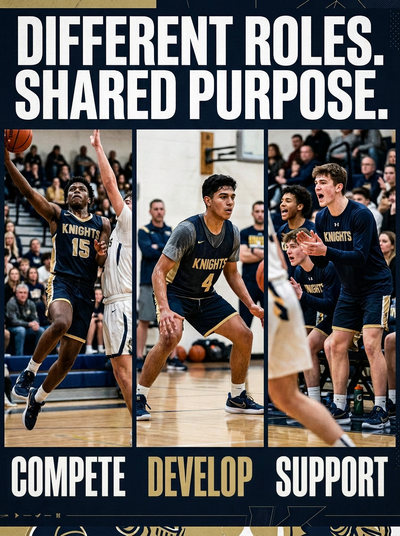
2. Give Every Player a Purpose

Not every athlete can be the leading scorer. Not everyone can start. And not everyone will play the same number of minutes.

That's the reality of competitive sports.

But every player can understand how they contribute to the team. One athlete may be counted on to bring defensive intensity. Another may push starters during practice. Someone else may be developing into a future contributor while learning the expectations of the program.

Leadership, preparation, communication, effort, and supporting teammates all have value. The challenge is making sure those contributions aren't treated like consolation prizes.

Why It Matters

An athlete who doesn't understand their role can easily begin to question whether they belong. And telling a player to “just keep working hard” without providing direction may not be enough.

Players need to understand what they're working toward, how they'll be evaluated, and where they can make an impact today.

What Coaches Can Do

Have honest conversations about roles and expectations. Focus on being clear about what an athlete can contribute right now and what they need to improve to earn additional opportunities.

Instead of:

“You're not ready to start.”

Try:

“Here's what we need you to improve to compete for more playing time. In the meantime, we're counting on you to bring defensive pressure, communicate, and make our practices more competitive.”

The second conversation doesn't promise something the coach can't guarantee - but it provides direction, accountability, and purpose.

And remember that roles should be revisited as athletes develop. A player's current position on the depth chart shouldn't become a permanent definition of their potential.

Coach's Challenge

Ask yourself whether every athlete on your roster could answer these questions:

  • What does my coach expect from me?
  • How can I help this team right now?
  • What am I working toward?

If an athlete can't answer those questions, it's time for a conversation.

magnific__design-a-premium-athletic-infographic-titled-progr__2297.png

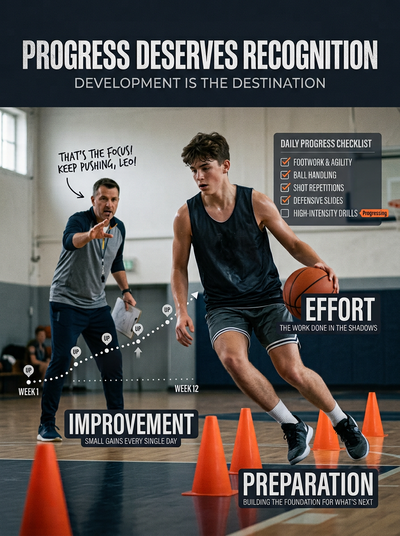
3. Recognize Progress, Not Just Performance

Winning plays and great performances deserve recognition.

But if the only athletes receiving praise are the ones scoring points, making big plays, or collecting awards, we're overlooking much of what makes a team successful.

Think about the athlete who struggled with a skill for weeks before finally executing it correctly. Or the player who showed up early, stayed engaged, and improved their conditioning. Or the teammate who responded to a disappointing game with their best practice of the season.

Those moments deserve recognition too.

Why It Matters

Not every athlete begins the season with the same skills or opportunities.

If we only recognize gameday results, some players may go weeks without hearing that they're doing something well.

Recognizing individual improvement helps athletes understand that progress is valuable, even when it hasn't yet translated into a larger role.

What Coaches Can Do

Be specific about what you're recognizing.

Instead of:

“Good work today.”

Try:

“Your communication has improved tremendously over the last two weeks. That's making everyone around you better.”

Or:

“I noticed how much more confident you were attacking that drill today. Keep building on that.”

These comments tell athletes that their development is being noticed – that their effort and work aren’t going unnoticed. Recognition also doesn't need to be public every time. A quiet conversation after practice can be just as meaningful.

The goal isn't to manufacture praise. It's to notice genuine progress and acknowledge it.

Coach's Challenge

At your next practice, recognize three athletes for something unrelated to points, statistics, or winning.

Be specific about what each athlete did and why it mattered to the team’s success.

magnific__create-a-threescene-sports-editorial-collage-showi__2298.png

4. Create Opportunities for Everyone to Contribute

It's difficult for athletes to feel included when they're consistently standing on the outside of the team's activities.

That can happen unintentionally.

The same players demonstrate drills. The same leaders speak in huddles. The same athletes are asked for input. The same small group receives additional attention.

Eventually, other players may begin to feel like spectators at their own practice.

Why It Matters

Inclusion isn't simply about being on the roster; it's about participating in meaningful ways.

Athletes develop confidence when they're trusted with responsibility, invited to contribute, and given opportunities to demonstrate what they're learning.

Those opportunities don't always require changing playing-time decisions. They require being intentional about the experiences we create.

What Coaches Can Do

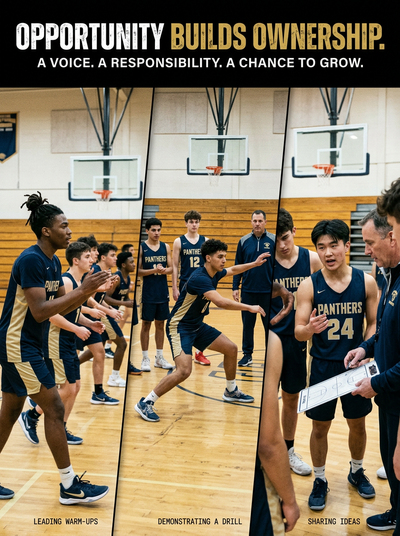
Look for opportunities to involve different athletes throughout practice. Rotate who leads warm-ups. Ask different players to demonstrate drills. Pair experienced athletes with developing teammates. Invite input from athletes who don't normally speak up.

Create competitive situations where athletes at different development levels can experience meaningful challenges and success. And when possible, give players a voice in team activities, routines, and goals.

This isn't about removing the coach's authority or diminishing natural leaders from playing their role. It's about ensuring that leadership, responsibility, and participation aren't reserved for a select few.

Coach's Challenge

During your next practice, pay attention to which athletes are most involved in team activities.

Then identify one opportunity to give a different player a meaningful responsibility.

magnific__create-a-realistic-premium-sports-photograph-of-fe__2299.png

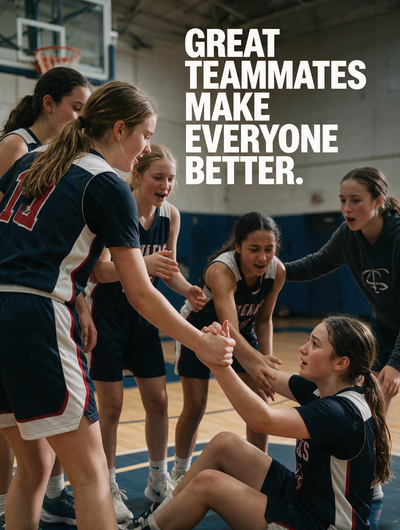
5. Build Teammates Who Lift Each Other Up

A coach can work hard to make every athlete feel valued. But what happens when the coach isn't standing nearby?

Do teammates encourage one another? Do starters acknowledge the contributions of reserves? Do experienced athletes help younger players improve? Does the team celebrate everyone's progress—or only the players who make the biggest plays?

Those behaviors reveal whether inclusion has become part of the team's culture.

Why It Matters

Athletes spend a tremendous amount of time interacting with their teammates.

The way players treat one another can reinforce—or undermine—the environment coaches are trying to create. A team becomes stronger when athletes recognize that everyone's effort contributes to the collective experience. Players who feel supported by their teammates have the confidence to give their full effort even if it means that in the process of improving they mistakes along the way.

What Coaches Can Do

Teach athletes what being a good teammate looks like. Encourage experienced players to help developing athletes. Recognize unselfishness. Address exclusion and cliques before they become accepted behavior.

Create opportunities for athletes to acknowledge one another.

After practice, ask:

“Who made a teammate better today?”

You might be surprised by the answers.

Sometimes the most meaningful recognition an athlete receives comes from someone wearing the same jersey.

Coach's Challenge

Before your next game or practice ends, ask every athlete to recognize one teammate for a positive contribution.

Encourage them to look beyond the obvious plays.

One Team. One Purpose.

Every team needs different types of players.

Some will lead the scoring. Some will anchor the defense. Some will bring energy off the bench. Others will be developing the skills that prepare them for opportunities still ahead.

But no athlete should have to wonder whether their presence matters.

As coaches, we have an opportunity to make sure every player feels seen, understands their purpose, recognizes their progress, and knows they have something meaningful to contribute.

That takes intentional effort. It takes honest conversations. And sometimes it takes looking beyond the athletes who receive the most attention on game day.

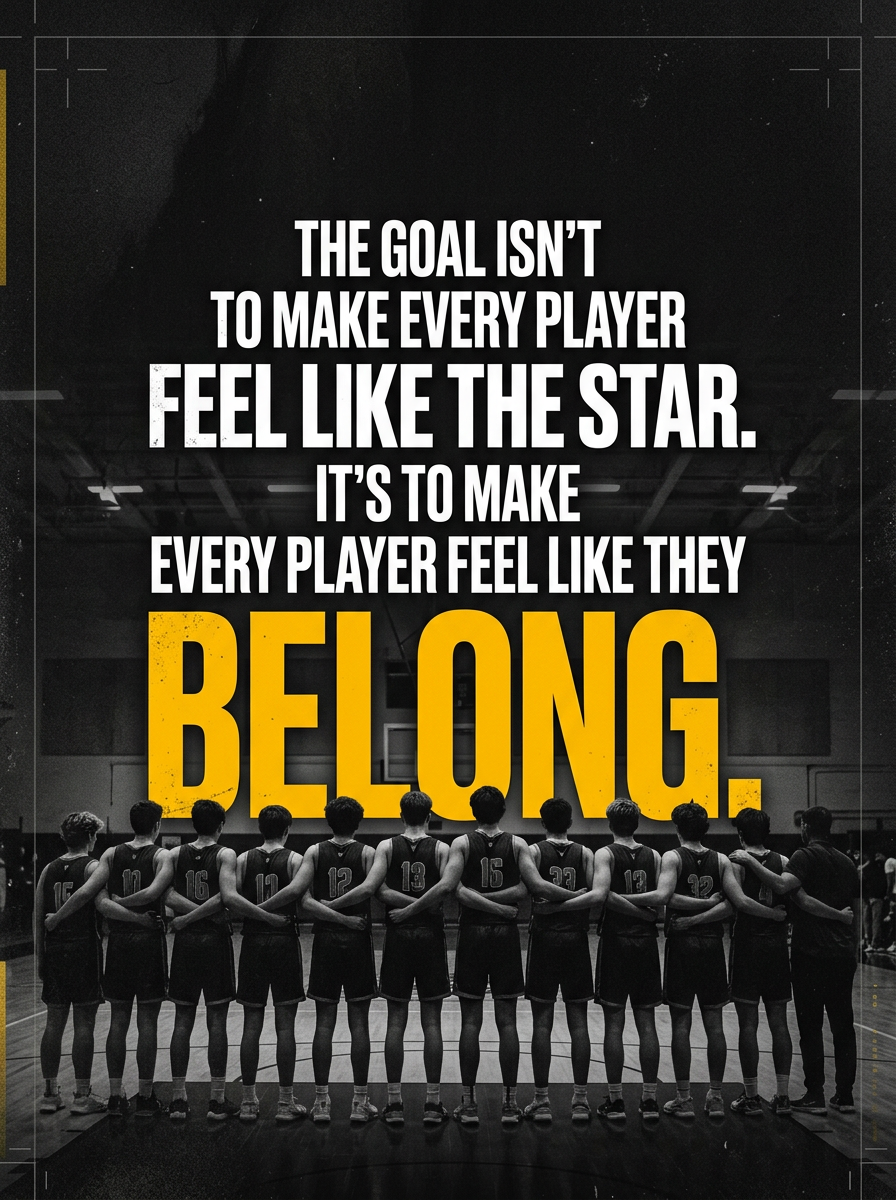
Because the goal isn't to make every player feel like the star.

It's to make every player feel like they belong and have value.

At Grind Sportswear, we believe the strongest programs are built by coaches who invest in every player, encourage every contribution, and create teams where everyone has a reason to take pride in the jersey they wear.

One team. Different roles. Shared purpose.

magnific__design-a-bold-typographic-sports-campaign-graphic-__2300.png